From Margins to Mindset: Money Smarts and Startup Grit at the ASEAN Summer Track 1 Program
· ASEAN, entrepreneurship, financial literacy, NTU, SDG 8, startup, venture building
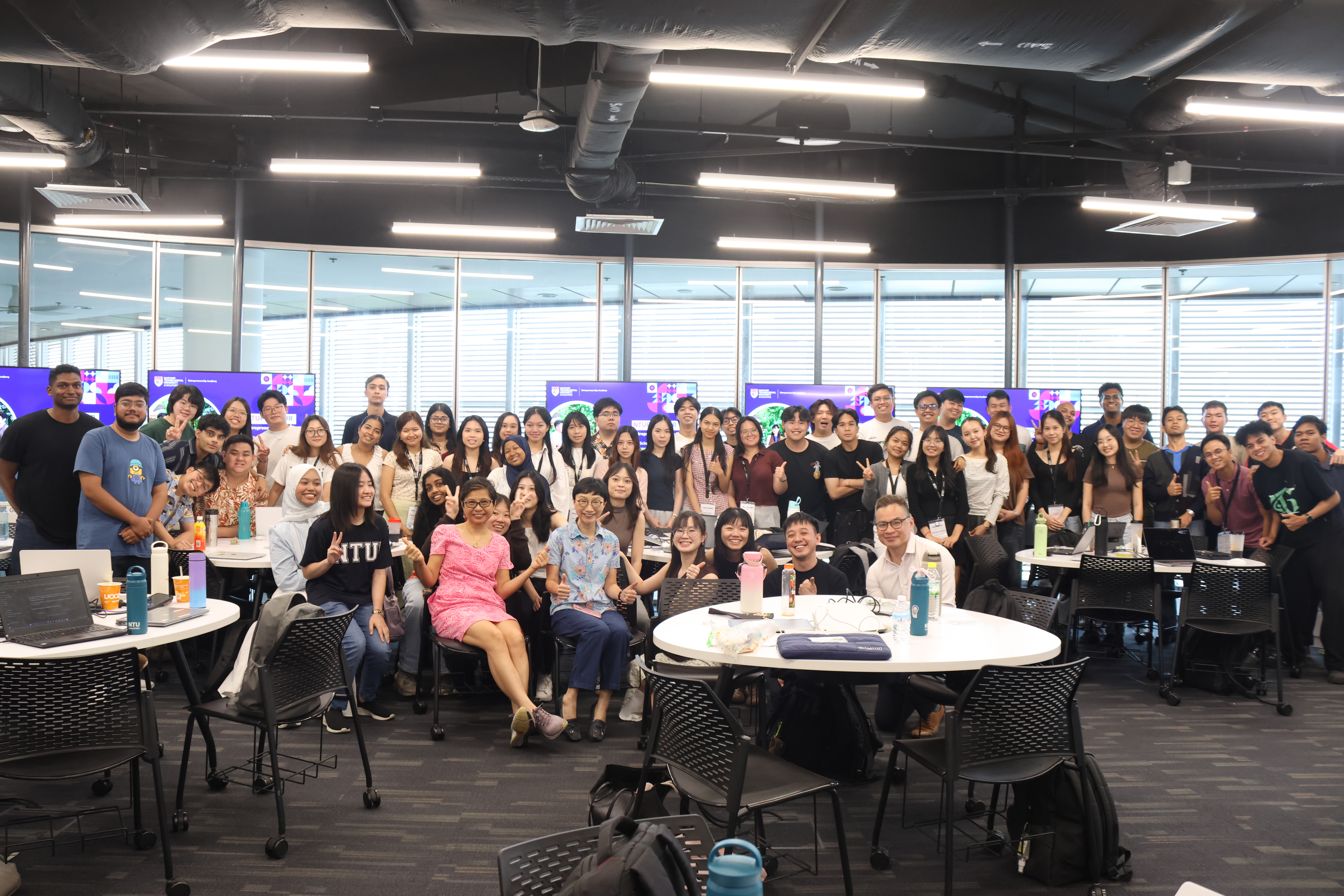
On Day 7 of ASEAN Summer Track 1 Program on Venturing into Entrepreneurship at TR 36 of ARC at NTU, paired hard numbers with hard-won advice on building a founder's mindset. Associate Professor Lerwen LIU opened with a deep dive into financial literacy, walking students through fixed versus variable costs, capex versus opex, and how sponsorship, sales, and services form the backbone of any revenue strategy, all traced back to real examples like NTU's sponsored programs and paid master's degrees. Her core message: track every stakeholder in your value chain, because the data reveals who is underperforming and why, whether it's a lazy salesperson, a weak supply chain, or a shortcut on waste management.
The Numbers Side: Associate Professor Lerwen LIU on Financial Literacy
Associate Professor Lerwen Liu's session centred on one idea: minimize fixed costs and understand exactly where your money goes. She broke expenses into capital expenditure (upfront, hard to reverse, and generally discouraged for early-stage founders) and operational expenditure (utilities, raw materials, people), then showed how revenue can come from sponsorship, direct sales, or service fees that often blended. Her emphasis on looking at the data ran through everything: comparing revenue streams, auditing HR costs against value generated, and using tools like life-cycle assessment to quantify environmental impact.
She closed on pricing psychology: price is rarely just cost-plus-margin. A compelling story and genuine emotional resonance can double what a customer is willing to pay. She wrapped up her talk by leaving students with five questions to answer before any pitch is ready:
- Why: the problem is worth spending a year on, and why does it matter now?
- Who: whose life is broken or affected by this problem, and whose hands can fix it?
- What: exactly will you build, sell, or change?
- How: will the business work, and how will the team deliver it?
- Impact: what changes in the world if you succeed, and what happens if you fail?
The People Side: Building Founders, One Pathway at a Time
Three members of the NTU Entrepreneurship team followed with a tour of NTU's support ecosystem. Alan opened by asking the room three main questions before outlining a program built around three pillars: thinking like a founder, building ventures, and scaling toward commercialization. Ms Jiang introduced the Overseas Entrepreneurship Program, sending students into startups across Asia, the US, and Europe with grants up to $10,000. Mr Jerrick covered the venture-creation office's tools: an idea bank, validation grants up to $5,000, and the $100,000 Pinnacle Prize competition.
Whether the lens is financial literacy or venture-building, today's sessions kept circling back to the same ecosystem principle from day one success is built on people, trust, relationships, and knowing how to access the resources around you.